
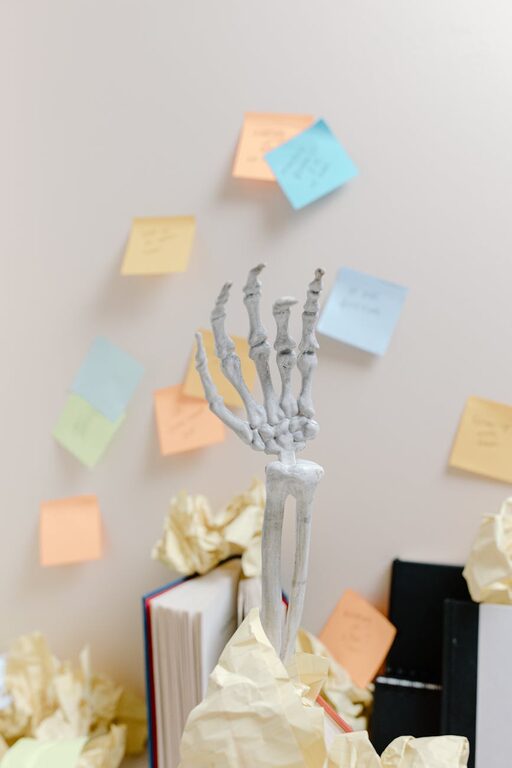
Keeping a home organized and clutter-free can be challenging, especially when it comes to the ever-growing pile of paper. From bills and receipts to school notices and magazines, paper clutter builds up quickly and can make your living space feel chaotic. Fortunately, there are simple, manageable ways to reduce household paper clutter and maintain a tidy environment.
In this post, we’ll explore practical steps you can take to sort, reduce, and prevent paper clutter, helping you create a calmer, more organized home.
Why Reducing Paper Clutter Matters
Paper clutter doesn’t just take up space—it can also cause stress and make it harder to find important documents when you need them. Reducing paper clutter:
– Creates a cleaner, more inviting living space
– Makes it easier to locate bills, tax documents, and important papers
– Saves time spent shuffling through piles of paper
– Helps protect sensitive information from being misplaced or lost
By implementing simple habits and systems, you can keep paper clutter under control.
Step 1: Sort Through Existing Paper Clutter
Start by gathering all the paper clutter scattered around your home. This can include:
– Mail and junk mail
– Receipts and invoices
– Bank and credit card statements
– School papers and artwork
– Magazines and newspapers
– Manuals and warranties
Create Sorting Categories
Set up a few broad categories using boxes, bins, or trays. For example:
– Keep: Important documents you need to keep (tax info, warranties, contracts)
– Action: Papers requiring action (bills to pay, RSVP cards)
– Recycle: Junk mail, old magazines, outdated papers to discard
– Shred: Sensitive documents with personal info that need secure disposal
Sorting everything into these groups will give you a clearer picture of what needs your attention.
Step 2: Shred and Recycle Unnecessary Papers
Once sorted, immediately shred any documents that contain personal data you no longer need. This protects your identity and privacy. Then recycle all papers that don’t need to be kept, like junk mail and expired notices.
Regularly clearing out this pile will prevent paper from accumulating again.
Step 3: Minimize Incoming Paper
The best way to reduce paper clutter is to prevent it from entering your home in the first place. Consider these strategies:
– Switch to Paperless Billing: Contact your utility providers, banks, and credit card companies to go paperless and receive statements via email.
– Unsubscribe from Junk Mail: Visit websites such as DMAchoice.org to opt out of marketing mail. You can also contact companies directly to remove your name from mail lists.
– Ask for Digital Copies: For school newsletters, invitations, and other recurring papers, ask if digital versions are available.
Reducing incoming paper will immediately lighten your sorting and organizing load.
Step 4: Create a Paper Management System
Having a designated system for handling papers as they arrive is essential. Here’s how to set one up:
Designate a Drop Zone
Choose a spot near the door or kitchen where all mail and papers are placed daily. This keeps everything in one place instead of scattered.
Use a Filing System
Invest in a simple filing box, accordion folder, or a set of labeled folders. Label by category, such as:
– Bills
– Receipts
– Medical Documents
– School
– Manuals
Keep only what you need and file away quickly to avoid piles growing.
Set a Regular Paper Day
Schedule one day per week or month to go through your papers. Pay bills, file documents, and shred or recycle what isn’t needed. Routine maintenance prevents buildup.
Step 5: Digitize Important Papers
Digital copies reduce physical clutter and offer easy access when you need them. Use a smartphone app or scanner to save important documents, receipts, and manuals.
Store these files securely in organized folders on your computer or cloud storage. Ensure you back up digital copies regularly.
Step 6: Manage Kids’ Paper Clutter
Children’s artwork, school papers, and notes can quickly add up. To handle this:
– Display favorite pieces temporarily on a bulletin board or fridge.
– Take photos of artwork and create a digital scrapbook.
– Keep only select papers in a dedicated folder or box.
– Recycle or discard the rest regularly.
This approach honors your child’s creativity without overwhelming your space.
Step 7: Maintain a Paper-Free Lifestyle
Once your paper clutter is under control, maintain good habits such as:
– Deal with mail immediately; don’t let it pile up.
– Reevaluate filing categories and purge outdated documents yearly.
– Encourage household members to follow the paper system.
– Regularly back up digital files and clear unneeded items.
Consistency is key to keeping paper clutter from creeping back in.
Final Thoughts
Reducing household paper clutter is a worthwhile goal that brings both functional and emotional benefits. With simple sorting, minimizing incoming paper, a solid paper management system, and digitization, you can keep your home tidier and more peaceful.
Start small, and gradually build these habits into your routine—your future self will thank you!
—
Ready to take control of your paper clutter? Pick one step above today and enjoy an organized, clutter-free home.